
Local Legends Around the Tower: How to Collect and Verify Oral Stories

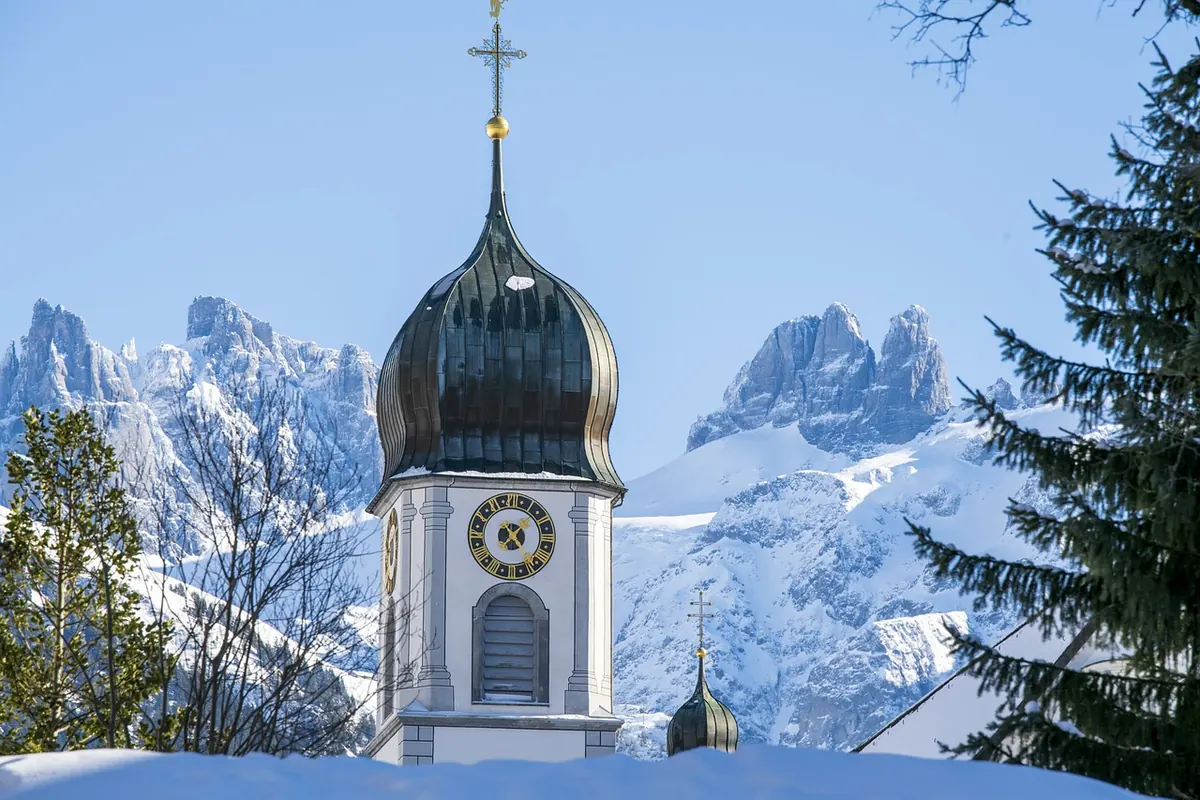
Ask ten people in the village square about the tower and you will hear nine versions of the same story. One will insist that a tunnel runs from the cellar to the old abbey; another will say the building was a granary and never a prison; a third will remember a bell that was carted away one winter and never seen again. None of these accounts is a mistake to be corrected. They are the raw material of local history, and they vanish faster than most people expect — with every house cleared, every kitchen conversation interrupted, every grandparent whose memory goes unrecorded.
Start by listening, not correcting
The first job is to get the story out whole, in the teller's own words, before you say a single word about what the documents show. If you interrupt with "actually, the register says 1743", you will get a shorter story and a more cautious narrator, and you may never hear the detail that turns out to matter. Let the silences sit. People often add their best material after a pause, when they think you have finished asking.
Listen for the scaffolding of the story as much as the plot. Who told them? "My mother had it from old Pasquale, who worked the land up there" is not a throwaway line — it is a transmission chain, and chains can be traced. Note the places people point to when they talk, even if the gesture is at a wall that no longer exists. Note the words they use for things: field names, lane names, the old name for the tower itself. Those names are often older than any map you will find, and they are the easiest thing in the whole story to check.
Prepare, but do not over-prepare
Bring a short list of prompts rather than a questionnaire. A rigid script makes people answer the question you asked instead of telling you what they remember.
- The first time they heard the story, and from whom.
- The exact place names used — for the tower, the field beside it, the road that passes it.
- What people actually did there: work, feast days, processions, punishments, hiding.
- What stood on the site before the tower, or what replaced something else.
- Anything found in the ground or in the walls: coins, bones, pottery, a carved stone.
- How the story ends — legends usually carry a warning, a moral or a punchline, and the endings vary more than the middles.
Interview people alone first. Group sessions feel friendly and produce agreement, because the loudest voice sets the version and the others nod along. Solo sessions produce detail, hesitation and contradiction, which is exactly what you want. Save the group conversation for afterwards, when you can watch which details survive the retelling.
Recording that will still be usable in twenty years
A phone on the table is enough. Put it between you, out of the teller's line of sight if it makes them self-conscious, and keep the room quiet — a kitchen with a humming refrigerator will spoil more recordings than a cheap microphone ever will. Ask permission before you press record, explain in plain terms what you will do with the file and who will be able to hear it, and say that they can stop at any moment or ask for something to be left out. Write the permission down on paper too, with the date and signature. If you plan to publish or deposit the recording in an archive, ask the archive what they require for consent and rights before you promise anything.
At the start of every file, say the date, the place, your name, and the teller's name and year of birth. Do it out loud, even if it feels awkward. Twenty files later, you will not remember which one was which. Then name the digital file the same way, keep two copies in two places, and transcribe within the week, while you still remember the pointing and the laughter. Mark those things in the transcript: [points towards the north wall], [laughs], [drops voice]. A transcript that loses the performance loses half the evidence.
Recognising the shape of a legend
After a dozen interviews you will start to hear familiar furniture: the hidden treasure, the underground passage, the bell sunk in the pond, the devil cheated at a crossroads, the wronged woman who walks, the foreign prisoner bricked into a wall. Spotting the motif does not make the story false. It tells you what kind of story you are dealing with, and therefore what to check.
It helps to separate two layers. The frame is the wandering part — the treasure, the ghost, the bargain — which appears in villages hundreds of miles apart and rarely belongs to any one place. The anchor is the local part: a surname, a date, a field name, a blocked doorway, a claim about which family owned the land. Anchors are where the history usually hides. A story about a tunnel may be nonsense in its details and still preserve the memory of a real covered passage, a cellar route between two houses, or a smuggler's path that was later built over.
Setting the story beside the paper
Only now do you go to the records. Start with what is close and specific: parish registers of baptism, marriage and burial; the cadastral maps and land registers that list owners and the use of each parcel; notarial deeds of sale, dowry and inheritance; municipal council minutes; school and confraternity books; local newspapers; old photographs and postcards; military survey maps; and any archaeological or restoration report on the building itself.
Ask the parish priest in writing for access to the parish archive, and be patient and specific about what you want. The municipal historical archive, the diocesan archive and the local library's local-history collection are the next stops. Every source you consult gets a dated note with its reference number and where you found it — including the ones that told you nothing, because otherwise you will check them twice. If the handwriting is difficult or the documents are in Latin, take a palaeography course or ask someone who reads them regularly; guessing at a name or a date is how errors enter the record and stay there for a century.
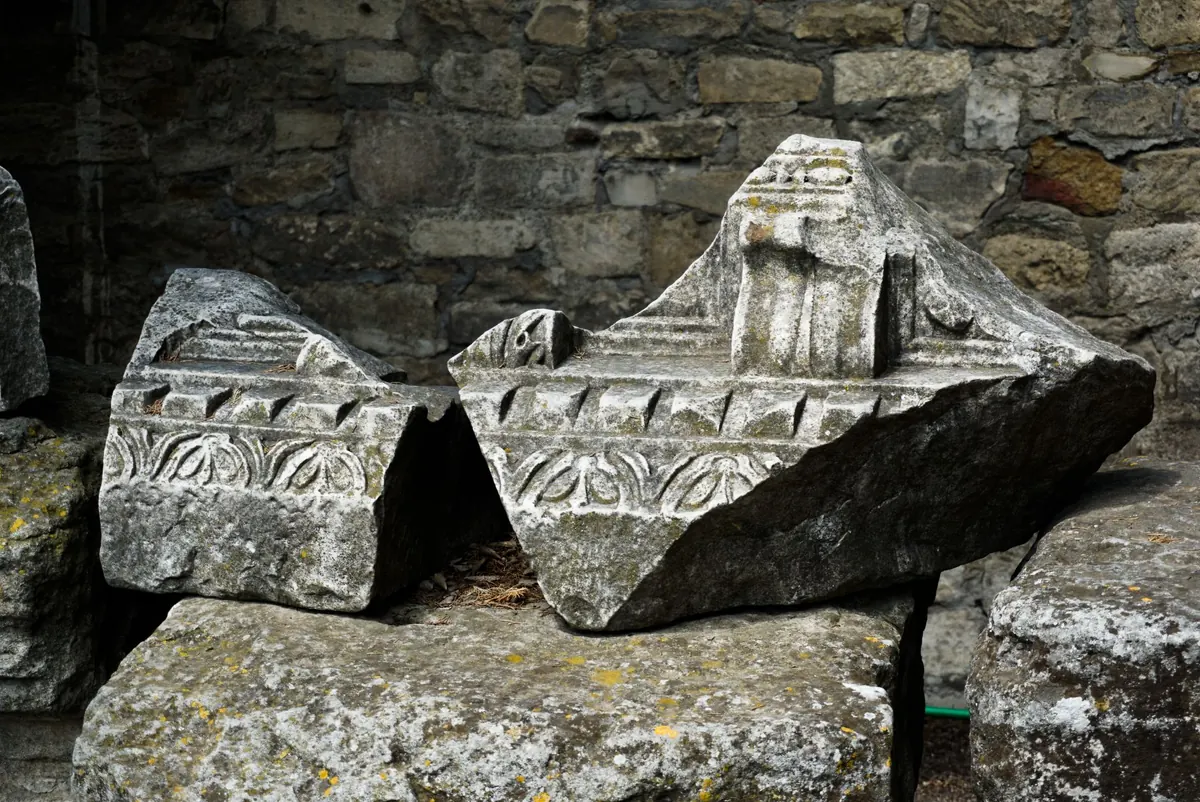
And look at the building. A blocked doorway, a course of stone that does not match, a window cut through a thicker wall — these are documents too, and a mason or an architectural historian can often date them roughly for very little effort.
When the documents disagree with the story
Sort your findings into three piles: corroborated, uncontradicted, and contradicted. Contradiction is not the end of the work. Ask what job the story does for the people who tell it. Does it explain a ruin? Claim an impressive ancestor? Warn children away from a well? Settle an old quarrel between two families? A legend that gets the century wrong may still be right about an event, and a story that names the wrong owner may still be right about a fire.
Keep the variants side by side rather than blending them into one smooth version. Two accounts that disagree are more interesting than one compromise, and a reader who knows the village will trust you more for printing both.
A practical closing: the one-page method
- Record one teller alone, with permission, and log the date, place and names out loud at the start.
- Transcribe within the week and note gestures, pauses and changes of tone.
- Underline every anchor: names, dates, places, objects, claims about ownership.
- Check three independent sources per anchor, and write down the reference for each.
- Publish the story in the teller's voice, then your notes separately, clearly labelled as your reading of the evidence.
- Name every teller and give the date of the recording.
- Give a copy of the recording and transcript back to the family, and offer the material to the local archive.
That last step is the one people skip, and it is the one that keeps the work alive. Word travels when you return the recording — the neighbour who "knows something about the tower" will find you within a fortnight, and the next story starts there.
Photo: duongtoan / Pixabay