Community Notes: How to Start a Local Tower History Walk
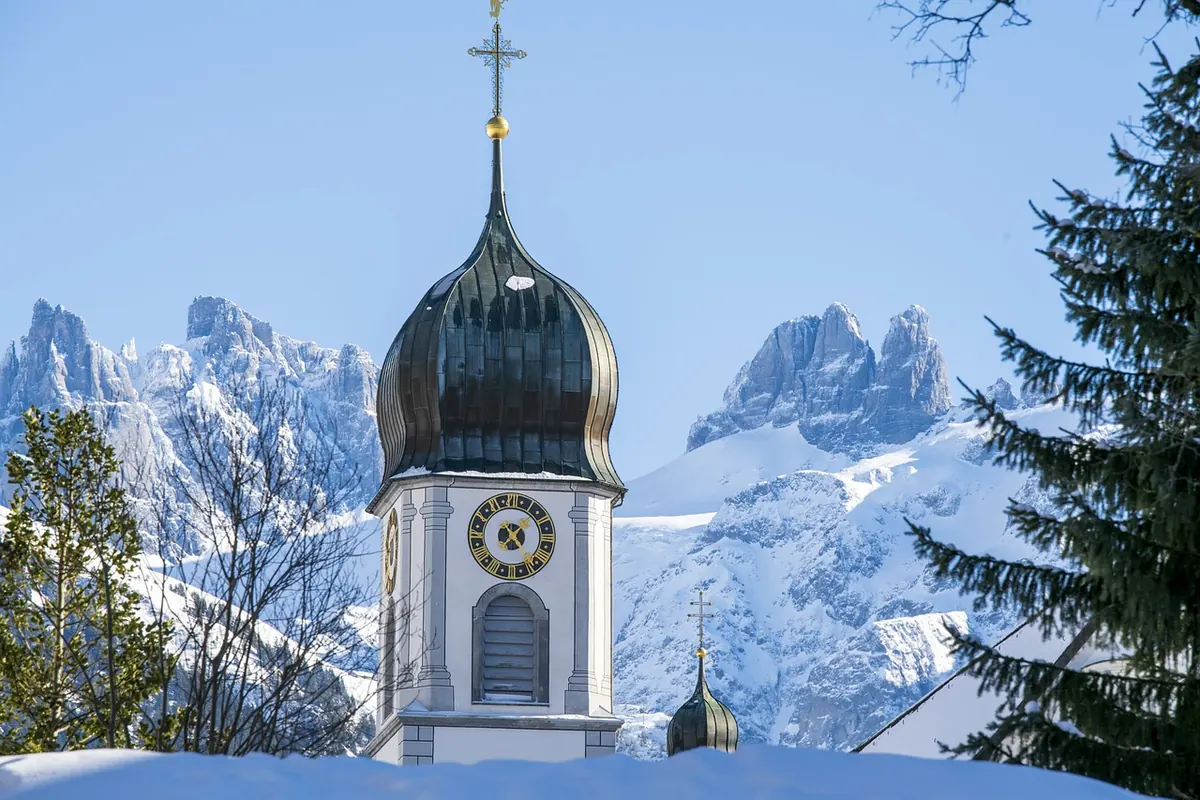
The tower has stood over the town for centuries, and most people who pass it daily could tell you very little about it. That gap — between the stone and the story — is where a volunteer history walk begins. It needs no budget to speak of and no equipment beyond a decent pair of shoes. What it does need is a route that works, a handful of people willing to give up a Saturday morning, and a story worth stopping for.
What follows is a workable plan for putting one together: how to choose the loop, research it without disappearing into an archive for a year, brief a small crew, and get twenty people to turn up and enjoy themselves. It is also, quietly, one of the cheapest ways there is to find out who your neighbours are.
Plot the loop before you research a word
Start by walking, not reading. Take an afternoon, follow the streets around the tower in a rough circle, and note every point where you instinctively slow down. A doorway with a date carved above it. A wall that changes material halfway along. The corner where the pavement widens and the tower suddenly frames the whole street. Those pauses are your stops.
Keep it shorter than feels necessary. Ninety minutes, eight to twelve stops, no more than a kilometre and a half on foot, with the tower in view at the start so people know what they came for. If a single stop needs more than three minutes of talking, it belongs in a longer walk — or in the notebook, not the tour.
A stop earns its place if it has at least two of the following:
- something visible without being told where to look;
- a comparison people can make — an old photograph to hold up, a filled-in arch, a street that changed its name;
- one named person attached to the place, ideally someone local;
- a small unresolved question, so the conversation carries on after the group moves away.
If a stop has only a date, cut it. Dates are the scaffolding; the building is people. A gateway with a carved 1742 on it is a fact. A gateway with a carved 1742, a groove worn into the kerb by cartwheels, and a story about the carrier who lodged his horse in the yard behind it is a stop.
Sketch the rough shape on the back of an envelope: start at the tower, four stops on the north side, cross at the lights, three stops coming back along the river, finish at the bench facing the west door. If you cannot draw it in under a minute, it is too complicated to lead.
Walk it twice before you advertise it
The first walk is for you. Go at the hour you intend to run it, and time yourself honestly — including the pauses for photographs, the crossings, and the stop where someone always asks a question. Walk it a second time on a busy weekday, when the streets are full of parked cars, delivery vans and people who have no idea a tour is coming through.
Take notes on the things that will embarrass you later:
- Can twenty people stand at this corner without blocking the pavement or a shop door?
- Is there traffic noise at the best stop on the route? Move the stop, not your voice.
- Are there steps, uneven paving or a steep climb? Say so in advance, and offer a shorter alternative.
- Are the church, the courtyard or the garden actually open at that hour? Ask, then ask again the week before.
- Where are the toilets, the bench, the café, and the nearest place to shelter from rain?
Timing matters as much as geography. Check the market day, the school run, the bin collection and the fixtures list of the nearest church or chapel before you fix a date. A route that is charming on a quiet Tuesday can be unwalkable on a Saturday when the high street is lined with stalls.
While you are out, knock on doors. Private courtyards, walled gardens, a workshop in an old building — permission is usually given freely once you explain what you are doing and how many people will come, but it has to be asked for in person, and confirmed again if the answer was a hesitant maybe.
Build each stop in three minutes
Long, detailed research is the enemy of a good walk. What people remember is one object, one person and one question. A three-minute stop has a shape:
- Point. Show the thing before explaining it: "Look at the second window from the left."
- Place. One or two sentences of context — what this was, when it changed, who used it.
- Person. A name, a trade, a small human detail that turns a building into a life.
- Question. Leave something open: a photograph nobody has identified, a doorway that leads nowhere obvious, a date that does not fit.
Written out, a finished stop reads something like this:
Point — look at the second window from the left, the one with the deeper sill. Place — this was the wool merchant's house until the 1780s, and that sill is where the weighing scales hung. Person — Ann Peake ran the business for eleven years after her husband died, and the parish record calls her "merchant" when everyone else in the book is written down as "widow". Question — nobody has worked out why the third window was bricked up. If you know, tell us at the end.
For the research itself, work from the outside in. Start with what is visible in the street, then follow the paper trail: old maps and photographs, parish and town records, bound volumes of the local newspaper, postcards in a drawer at the back of a shop. The richest source is usually the least formal — the people who have lived in the parish longest, who will tell you which shop was which and who kept chickens in the yard behind it. Ask before recording anything, write their words down carefully, and credit them by name when you use them.
Keep a single document for the route: one page, one row per stop, three or four bullets each. If a volunteer has to read a paragraph aloud, the stop is too long.
Get the word out without a marketing budget
Twenty people is a good first walk, and it is achievable entirely by hand. The invitation should say four things: where and when to meet, how long it lasts, how far it is, and whether there is anything to pay or book. Nothing else.
- Ask the parish newsletter, the library noticeboard and the shop window — in person, with a printed sheet, not an email attachment nobody prints.
- Post in the local Facebook group and the residents' association, once, with a photograph of the tower in it.
- Invite the groups that already meet: the historical society, the ramblers, the U3A, the WI, the church coffee morning.
- Set a cap — thirty is plenty — and keep a waiting list. A full walk advertises the next one better than any poster.
- Collect names and emails at sign-up, so you can tell people about the next walk without starting from scratch.
Timing the first walk to a heritage open day, a festival or a market gives you an audience you did not have to find.
The crew is smaller than you think
Five or six people are enough for a group of thirty. Give each one a defined job before the morning, so nobody is left waving vaguely at the back.
- The lead walker carries the route, keeps the time and does the talking.
- The sweep walks at the back, keeps the group together and notices the straggler.
- The greeter takes names at the start, hands out route sheets and gathers up anyone who arrives late.
- The researcher comes along as backup and answers the questions the lead cannot.
- The photographer records the walk for the archive and for next year's publicity.
- A first aider, if anyone on the team has recent training.
Brief everyone in person, ideally on the route itself, the week before. Ten minutes of walking the loop together prevents most of the confusion that happens on the day.
The morning itself
Before the first step
Set up twenty minutes early. A folding table at the meeting point with a sign-in sheet, a few pens and a stack of route sheets is enough; the table also gives early arrivals somewhere to gather instead of hovering. Name stickers do more for group morale than they should — by the second stop people are using first names, and by the last stop two of them have discovered they went to the same school.
Say three things before you set off: how long it will take, where it ends, and what to do if you get separated. Then ask whether anyone has mobility needs, hearing difficulties or a train to catch. It takes thirty seconds and it changes how the whole morning runs.
On the move
Walk at the pace of the slowest person and stop more often than you think you need to. Count heads at every stop — quietly, with a glance, not a register. Give way to prams, wheelchairs and anyone delivering anything. When a passer-by stops to listen, let them; some of your best future volunteers begin as people who joined halfway round by accident.
Expect one expert. There is nearly always a person on the walk who knows more about a particular doorway than you do, and the temptation is to feel undermined. Do not. Hand it over for a minute, thank them by name, and ask them afterwards whether they would like to help with the next one.
At the end
Finish somewhere with a bench or a cup of tea, and finish on time. Thank the crew by name, thank the group for coming, and say plainly what happens next. A five-question feedback sheet — what worked, what was dull, what did we get wrong, what should we add, would you come again — is worth more than any amount of self-assessment, and a factual correction from a stranger on a Tuesday morning is a gift.
After the walk, keep what you learned
Write it up while it is fresh: the corrected dates, the names people gave you, the stop that fell flat, the joke that landed. File the photographs with the route document so next year's lead is not starting from nothing. Send a short thank-you note to everyone who gave permission or gave up an hour, and tell them how it went — they will say yes again.
Then do it again, on a different loop. Lead the second one yourself but hand the third to somebody else, because the point of a volunteer walk is not the walk. It is leaving behind a small, stubborn group of people who know the way round their own town and can tell you why the third window was bricked up.
Photo: RahulPandit / Pixabay