
A Seasonal Guide to Visiting the Tower: Best Light, Crowds, and Photo Angles
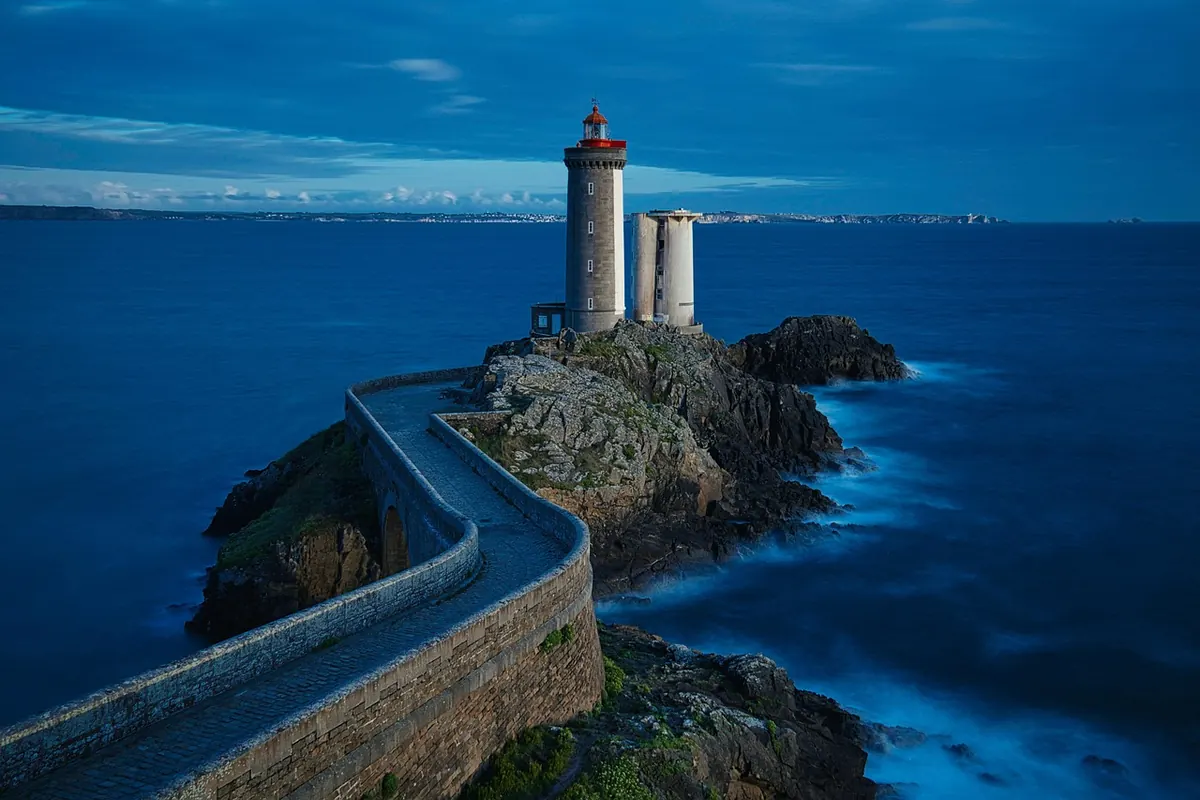
Every tower has its hours. Stand in the square below at eight in the morning and the stone reads one way — cool, flat, a little grey. Come back at six in the evening and it looks like a different building entirely, warm and textured, throwing a long shadow across the paving. The climb is the same climb. What you see from the top, and what you bring home from it, is not.
This is meant as a working calendar rather than a set of rules. Seasons shift, weather has the last word, and a rainy Tuesday in October can beat a golden Saturday in May. But the patterns below hold most years, and knowing them is the difference between a rushed twenty minutes on the terrace and an hour you remember.
Read the Light First
Before choosing a month, work out which way the tower faces. A map is enough: find the side that looks toward the sunrise and the side that looks toward the sunset. Morning light arrives low and slightly cool from the east; evening light is warmer and heavier from the west. A facade lit in the morning is in shadow by late afternoon, and the reverse is true on the other side.
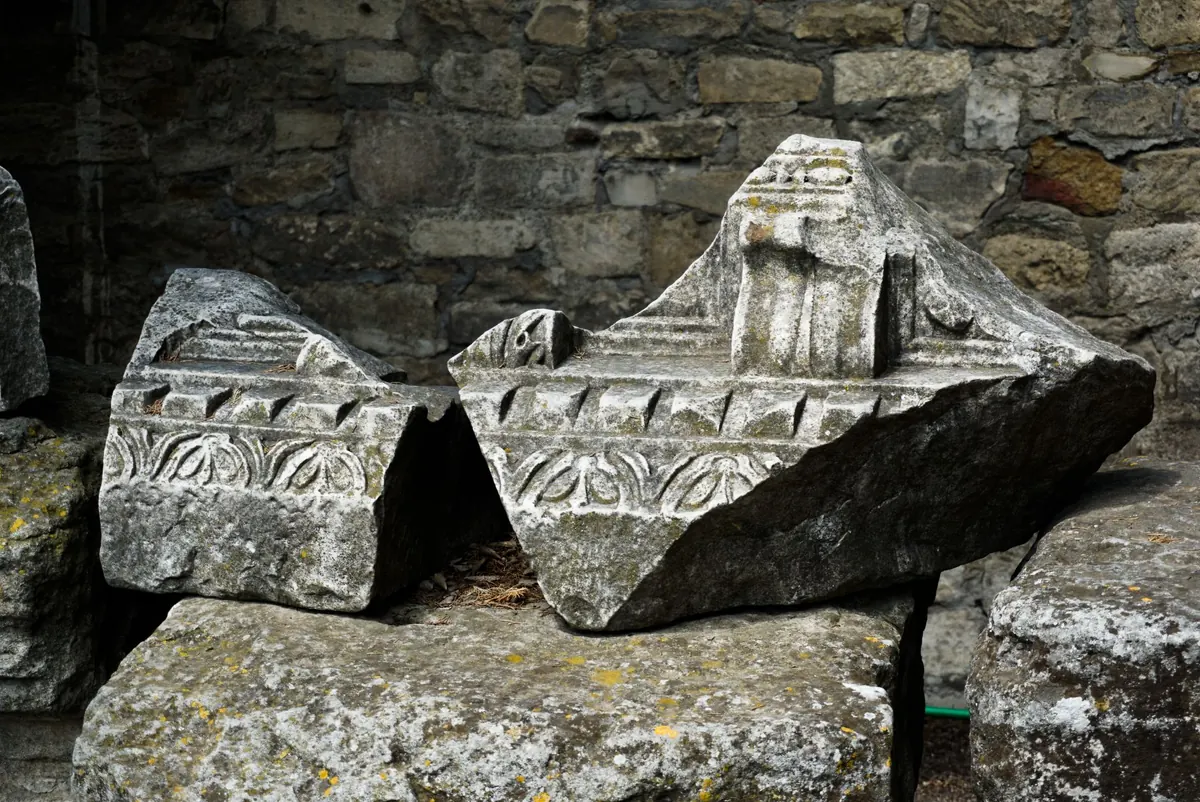
Cloud matters as much as sun. A flat overcast sky kills a long view but flatters carved stone, doorways, corbels and inscriptions — the details you would otherwise squint at. A clear sky after rain gives the sharpest distances, when the far hills or the coastline suddenly appear as though someone wiped the glass. If you have a flexible day, take the one right after a front has passed through.
The stairwell deserves a mention too. Those narrow windows cut into thick walls make small, hard slivers of light that move across the steps as the sun shifts. They are the reason a climb at ten in the morning feels different from the same climb at four.
Spring: Soft Air, Steady Crowds
From March into May the light is generous and low enough to model the building nicely without the glare of summer. Mornings often start hazy and clear by early afternoon; if the distant view is what you came for, aim later in the day. Rain is frequent but usually brief.
Crowds build in a predictable shape. Weekday mornings in spring are among the calmest hours of the whole year — the town is awake, the cafés are open, and the stairs are yours. School groups tend to move through mid-morning on weekdays, so if you hear young voices echoing up the stairwell, wait ten minutes and they will have passed. Weekend afternoons from late April onward are the busy slot; go early or go late.
This is also the season when the walk up to the tower is at its best, with the lanes and verges still green and the heat not yet a factor.
Summer: Two Good Hours a Day
Summer rewards discipline. Between roughly eleven and four the light is hard and vertical, the horizon turns hazy, and the terrace offers no shade at all. The stone holds warmth well into the evening. There are two windows worth planning around.
Early morning
Arrive at opening or shortly after. The air is still cool, the light comes in low from the east and rakes across the town below, and you will often have the terrace to yourself or nearly so. Mist can sit in the valleys at this hour, which makes for quiet, atmospheric photographs. Bring a light layer; the top can be breezy even when the square below is already warm.
Late afternoon and evening
Come back after six. The light softens, shadows stretch across the roofs, and the stone warms to the colour most people picture when they think of the tower. Check the closing time before you commit, and give yourself at least forty minutes on site — the best light usually arrives in the last half hour before sunset, and you do not want to be descending the stairs while it happens.
Carry water, wear a hat for the climb, and remember that a stone stairwell traps heat. Midday visits are for the determined.
Autumn: The Clearest Weeks
If you have one trip to plan and no fixed date, put it here. From late September through November the air dries out, rain clears it further, and the long low light gives the town below real depth. Shadows fall across the piazza and the roofs in a way they never do in June.
Mornings can be foggy. That is not a problem in itself — fog below and sun above is one of the great sights from a height — but it does mean flexibility pays. Wait an hour; it usually lifts. After a cold front passes, the distances open up dramatically.
Visitor numbers drop once the school season ends, and by November the tower is quiet on most weekdays. Mid-October weekends remain popular, especially around local festivals, so check what else is happening in town before you pick a day.
Winter: Low Sun, Empty Steps
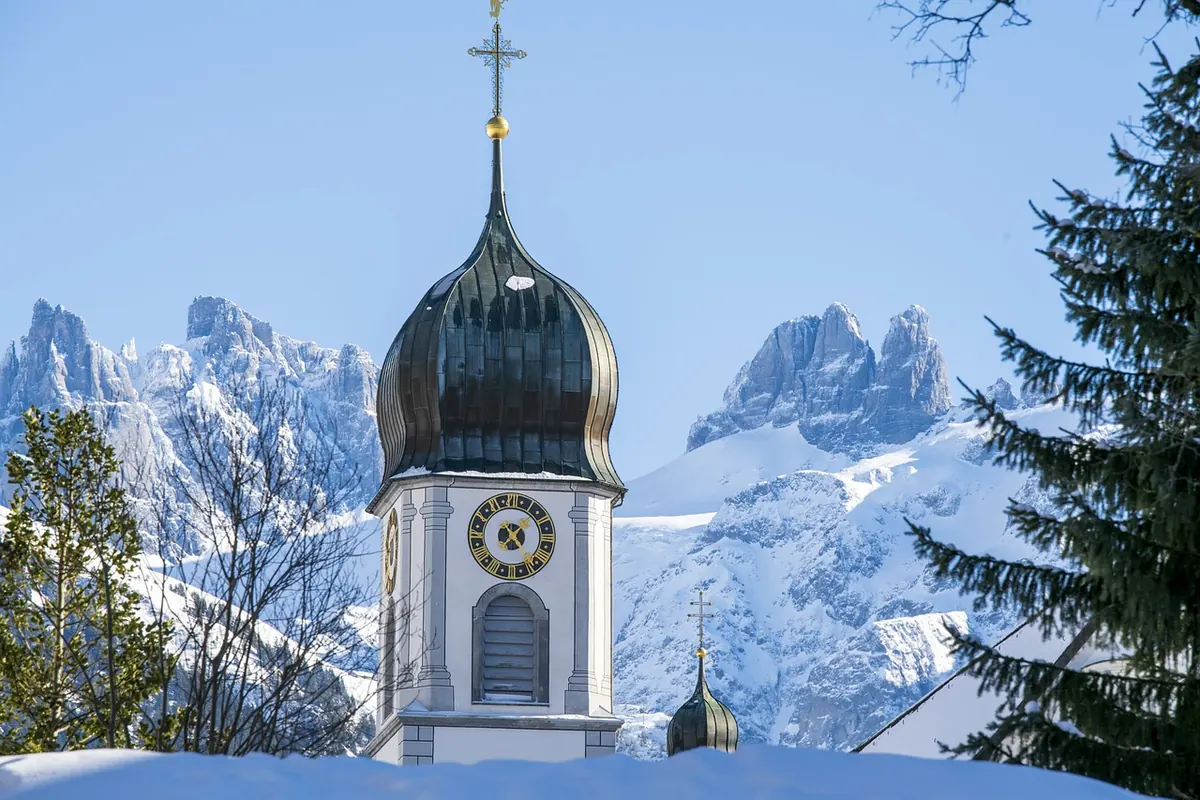
Winter is underrated. The sun stays low all day, which means that for a few months the midday light is actually good — the only season when you can turn up at noon and still get modelling on the stone and shadow lines across the square. The air is often clear, and you will frequently have the place to yourself.
The trade-offs are real. The terrace is cold and exposed, wind cuts across it, and the steps can be slippery after rain or frost; take the descent slowly and use the handrail. Daylight is short, so aim for the early afternoon rather than the end of the day. Opening hours are often reduced in the low season, so confirm before travelling — a phone call or a look at the door of the tourist office saves a wasted trip.
Angles Worth Climbing For
Where you stand on the terrace matters as much as when you arrive. A few reliable positions:
- The first stair window. Shoot through it on the way up, before you reach the top. The frame of thick stone around the view gives a sense of the wall's depth that no open terrace shot can.
- Between the merlons. Use the gaps in the parapet as a frame. It compresses the view, tidies the composition, and stops the sky from eating half the picture.
- Straight down. Most people photograph outward and forget the square below. Look down at the roofs, the paving pattern, the people crossing — it is usually the most surprising picture of the visit.
- A person for scale. Include someone at the railing, or a figure walking below. Towers photograph as models without a human reference; with one, they read as buildings.
- The corners. Where two sides of the tower meet, you can line up the wall itself with the town beyond and get depth in a single frame.
- Step back from the railing. For a wide panorama, move away from the edge and let a section of parapet sit in the foreground. You will lose a little height and gain a picture that looks like a place rather than a postcard.
Weather changes the plan. Wind means a fast shutter and a firm grip; haze means shooting closer subjects or waiting; rain means the terrace may be closed, which is worth checking before the climb.
Before You Set Out
A short checklist, based on the questions visitors ask most often at the door.
- Confirm the day's opening hours, especially outside summer.
- Check sunset time and leave yourself an hour of daylight after the climb.
- Take water, and in winter an extra layer for the terrace.
- Wear shoes with grip — the steps are worn and uneven in places.
- Allow more time than you think: the climb, the terrace, and the descent add up.
- Ask locally about festivals or processions that close the square or fill the stairs.
And if the day turns out grey and crowded, come back another time. The tower has been there a long while; it will keep. Part of the pleasure of living near a monument is learning its moods, and the visit you make on a quiet November afternoon often outstays the one you queued for in August.
Photo: pdimaria / Pixabay